The Recovery Process After Getting Tooth Implants
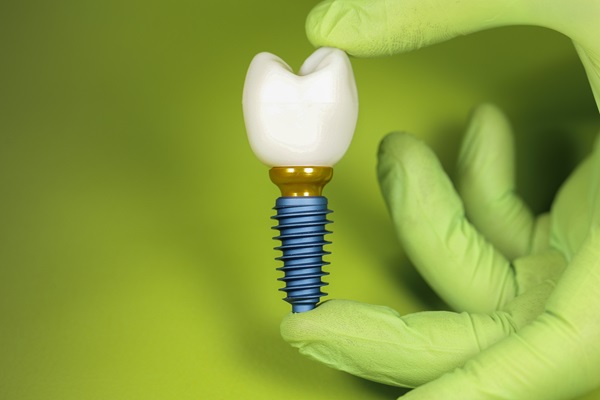
Getting tooth implants is not the final phase of an implant restoration procedure. The stage is simple, but the recovery period can be uncomfortable. This part of the implant process is the time for the mouth heals and fuses to the implant post. The following guide covers what to expect during recovery and the steps to take in the event of a complication.
Recovery after tooth implants
Placing dental implants is a major procedure; therefore, it is normal that patients will require downtime. The following symptoms are not the results of complications or adverse reactions. They are simply part of the recovery process, regardless of the type of tooth implants, whether single or full mouth implants. Patients need to practice good oral care and follow instructions.
Potential side effects after the procedure include:
- Fever
- Bleeding
- Inflammation
- Discomfort
- Dizziness
- Nausea or vomiting
Fortunately, most of these symptoms improve with adequate rest and patience.
Whether the dentist completes the procedure in one or multiple stages, patients may experience discomfort, as is the case with many dental procedures. The discomfort could be swelling of the face and gums, bruising of the gums and skin, pain around the implant area, and minor bleeding.
Pain relievers or antibiotics might be required after the implant procedure. If pain, swelling, or other symptoms worsen in the days after, patients should inform the dentist immediately. After each stage, it is advisable to eat only soft foods until the implant site heals completely. Typically, the dentist will use self-dissolving stitches; otherwise, they will remove them later.
The duration of recovery
Complete recovery from anesthesia takes a few hours. The stitches typically dissolve within a few days to about two weeks. The post-procedural symptoms will appear and disappear, and the next phase of recovery can start.
A process called osseointegration must occur before placing a permanent restoration. It takes longer for the upper jaw to fuse than the lower arch. This process can last from five to seven months.
Since every patient is different, it is hard to predict the precise duration of recovery. Factors that determine the rate of recovery include:
- The number and position of the implants
- The quality of oral care
- Smoking habits
- The need for a bone graft or sinus lift
- The timeline of the missing tooth
The more implants that the dentist places, the longer the healing time. The bone and gums experience significant stress during the procedure. The location is also crucial, as teeth in the lower jawbone often heal faster than those in the upper jawbone.
Proper oral hygiene before and during the implant procedure is crucial for quick recovery. However, smoking and other tobacco use can inhibit recovery, since nicotine causes constriction of the blood vessels and limits the free flow of blood. In the long-term recovery, it may even lead to implant failure.
Call our Winter Springs office to talk with our team
Do you have further questions for the Tuskawilla Family Dentistry team about recovery from tooth implant surgery? We are here to help. Call our Winter Springs office today for more tips on the healing process or to schedule a follow-up appointment.
Request an appointment here: http://www.tuskawillafamilydental.com or call Tuskawilla Family Dentistry at (407) 603-0135 for an appointment in our Winter Springs office.
Check out what others are saying about our dental services on Yelp: Tooth Implants in Winter Springs, FL.
Related Posts
Patients with dental implants often have questions about the affixed implant crown. Dental implants are ideal for replacing lost tooth roots, and crowns are crucial for helping you get your desired smile. One common query that dentists deal with is the possibility of replacing the dental crown on the implant.Patients will have a better knowledge…
A general dentist completes dental implant plans by attaching a custom restoration that looks and feels like a natural tooth. This visible part of the process is what truly brings a smile back to life after tooth loss occurs. While the groundwork happens below the surface, the restoration handles the daily tasks of chewing and…
TMJ (temporomandibular joint) issues and toothaches can cause similar side effects. Both conditions cause discomfort, but it can feel incredibly frustrating, especially when it is not clear whether the issue stems from a toothache or a more complex problem. Persistent soreness in the jaw region often mimics a deep dental infection, leaving many individuals confused…
A dental crown serves as a reliable way to protect a damaged or weakened natural tooth. These durable caps rebuild the tooth's shape while offering a shield against the pressures of chewing and speaking. While crowns are known to last a decade or more, the true lifespan depends on a few factors.The primary goal of…