Ask an Emergency Dentist: What You Need to Know
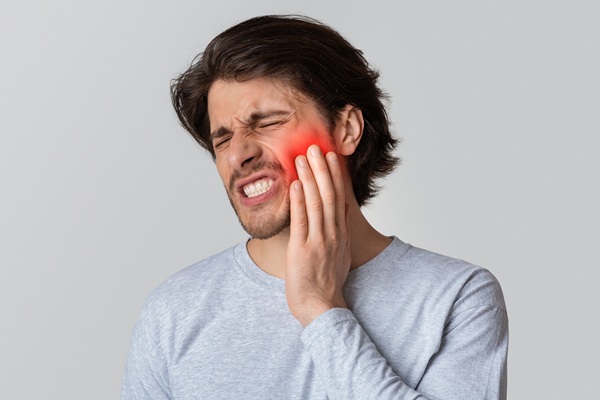
An emergency dentist can be a reassuring source of professional care in moments of sudden dental pain, injury, or complications. Addressing unexpected problems promptly helps prevent further damage and protect oral health. Having a clear plan and following expert recommendations will make managing stressful dental emergencies easier, maintain healthy teeth and gums, and reduce the chance of long-term issues.
Staying calm during dental emergencies
Staying calm during an urgent dental problem is one of the most effective ways to approach the situation. Stress and anxiety may lead to difficulty thinking clearly, which can interfere with efforts to find proper care. Start by identifying what is causing pain or discomfort, and seek professional care as soon as possible. Severe or persistent pain, a swollen jaw, and broken or dislodged teeth are signs to contact an emergency dentist immediately. Quick action often leads to better treatment outcomes and may also lessen the need for more invasive procedures.
Managing pain at home
Simple steps can provide relief when it is necessary to manage pain at home before receiving attention from an emergency dentist. Rinse gently with warm salt water to cleanse and soothe irritated areas. Apply a cold compress to help reduce swelling and discomfort, and use over-the-counter medication as directed. Further, patients should avoid placing aspirin directly inside the gums since it can irritate oral tissues and worsen the condition. If a tooth is knocked out or bleeding, pressing a clean piece of gauze over the area helps control blood flow. Preserving a dislodged tooth or fragment in milk or a recommended tooth preservation product can allow an emergency dentist to determine if reattachment is possible.
Maintaining a strong oral hygiene routine
A strong oral hygiene routine is essential for reducing the risk of sudden dental issues. Daily brushing and flossing remove plaque and food particles, lowering the chance of tooth decay and gum disease. Regular dental exams help detect concerns like cavities or infections before they become severe. A balanced diet rich in vitamins and minerals supports healthy teeth and gums, making them more resilient to injuries and potential emergencies.
Protecting teeth during high-impact activities
Individuals who engage in high-impact sports or activities should wear a mouthguard to protect against oral injuries. General dentists can create custom-fitted mouthguards that match a mouth's unique shape, enhancing comfort and effectiveness. This protective approach significantly lowers the risk of cracked, loosened, or otherwise damaged teeth, helping athletes enjoy their activities without additional worry.
Preparing for a dental emergency
It is wise to keep important contact information, including details for an emergency dentist, in an easily accessible place. Adding the phone number and address to a mobile device or keeping a physical note in a wallet or first-aid kit speeds up response time during an urgent dental situation. Having these details on hand allows immediate access to professional care and helps prevent complications from escalating.
Call us to learn more
Maintaining oral health requires diligence, preparedness, and planning for unexpected situations. Turning to an emergency dentist when urgent care is necessary and considering the above tips contribute to a potential dental emergency going as smoothly as possible. If you are interested in learning more or are experiencing a dental emergency, contact us today.
Request an appointment here: http://www.tuskawillafamilydental.com or call Tuskawilla Family Dentistry at (407) 603-0135 for an appointment in our Winter Springs office.
Check out what others are saying about our dental services on Yelp: Emergency Dentist in Winter Springs, FL.
Related Posts
Dental veneers create a brighter, more uniform smile and often help correct cosmetic concerns that make teeth look uneven or worn. Many patients want improvements that look natural while still enhancing confidence in everyday settings. Veneers offer a versatile option for refining color, shape, and symmetry in some cases without extensive orthodontic treatment. A dentist…
Getting tooth implants is not the final phase of an implant restoration procedure. The stage is simple, but the recovery period can be uncomfortable. This part of the implant process is the time for the mouth heals and fuses to the implant post. The following guide covers what to expect during recovery and the steps…
There is no golden rule that makes it compulsory for you to have your wisdom teeth removed. However, most people have at least one of them taken out at some point in their lives. The wisdom teeth, which are the third set of molars, usually begin to erupt between the ages of 17 and 25. While some people…
The right dental bridge can help you regain your self-esteem and dental function. But it can be challenging to determine which will help you the most. Your dentist can assist you by explaining each type. Here are the factors you should consider when choosing the most suitable dental bridge for your needs.The patient can choose…